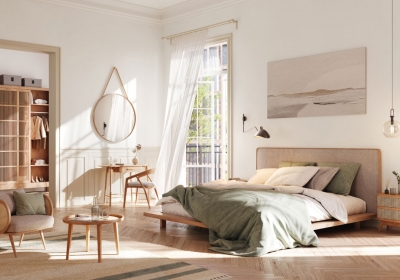
Most people do not realise how much thought they have not given to their bedroom until something feels wrong. Drawers do not open properly. Storage runs out faster than expected. The room feels cluttered, awkward, or unfinished. Yet when it comes time to buy new furniture, many homeowners default to quick decisions based on trends, price tags, or assumptions about what should work.
The bedroom is one of the most frequently used spaces in the home, but it is often treated as an afterthought. That disconnect matters because the quality of this space influences sleep, organisation, and everyday wellbeing more than almost any other room.
As homeowners look ahead to 2026, rising costs, smaller living spaces, and changing lifestyles mean furniture choices need more intention. This article exists to slow the process down and challenge common assumptions. Rather than promoting products, it focuses on the questions that shape better outcomes, from space and storage to comfort, longevity, and fit.
The aim is not perfection. It is clarity. And with clarity comes confidence to invest wisely, avoid regret, and create a bedroom that genuinely works.
Common Mistakes That Undermine Bedroom Design
One of the most frequent mistakes homeowners make is treating bedroom purchases as isolated decisions rather than part of a wider system. A bed is chosen first. Storage is added later. Style is considered last, if at all. On paper, everything fits. In reality, the room never quite comes together.
This often stems from outdated habits. Buying a matching set, measuring wall to wall, prioritising price, and assuming function will follow. The result is furniture that technically fits but does not belong. Movement through the room feels restricted. Storage underperforms. Visual balance feels off.
Trend-led thinking compounds the problem. Inspiration images show pristine rooms but rarely reflect long-term use. Finishes mark easily. Handles loosen. Wardrobes that looked generous online fail to match real storage needs. When decisions are rushed, the cost of compromise only becomes clear later.
Storage is another pressure point. Many homeowners underestimate how much they need, or how those needs will evolve. Growing families, remote working, seasonal clothing, and lifestyle changes all demand flexibility. Standard solutions often force people to adapt their routines around furniture rather than the furniture supporting the routine.
This is why more homeowners are reassessing how they approach bedroom furniture altogether. Instead of quick fixes, they are prioritising planning, fit, and longevity.
Rethinking Bedroom Furniture as a Functional System
The shift happens when homeowners stop asking what they should buy and start asking what the room needs to do.
Effective planning begins with behaviour rather than appearance. How the space is used from morning to night matters more than any single design trend. Storage needs, accessibility, and daily routines should shape decisions long before finishes or colours are chosen.
Space planning plays a critical role here. Measuring walls alone is not enough. Door swings, window heights, ceiling lines, and natural light all influence what will work long term. Furniture that overwhelms a room, even if it fits on paper, creates daily friction.
Quality also takes on a different meaning when viewed through this lens. It is not about luxury for its own sake, but about durability where it matters most. Beds, wardrobes, and drawers are used every day. Construction methods, joinery strength, hardware quality, and finish resilience directly affect how long furniture performs without frustration.
Comfort deserves equal priority. Mattresses and bed frames influence sleep quality, posture, and energy levels. Time spent testing and selecting the right support pays dividends far beyond aesthetics.
When approached holistically, bedroom furniture becomes supportive rather than dominant. It works quietly in the background, reducing clutter and reinforcing a sense of order.
Why Fit and Proportion Matter More Than Trends
One of the most overlooked truths in bedroom design is that fit consistently outperforms fashion.
Furniture selected or designed to suit the proportions of a specific room ages better both visually and practically. It avoids wasted gaps, awkward spacing, and compromised storage. This is especially important in period properties, rooms with sloped ceilings, or compact layouts where every centimetre counts.
This mindset also protects long-term value. When choices are guided by function and proportion rather than trends, they remain relevant even as tastes change. Neutral foundations allow flexibility through décor, lighting, and soft furnishings, which are easier and more cost-effective to update.
Well-fitted furniture does not limit creativity. It enables it by removing everyday frustrations and allowing the room to function as intended.
The Takeaway: Better Questions Lead to Better Bedrooms
The most successful bedrooms are not defined by price or popularity. They are defined by consideration.
Homeowners who challenge assumptions, assess real needs, and prioritise comfort, storage, and proportion make better decisions overall. The result is furniture that lasts longer, spaces that feel calmer, and rooms that genuinely support daily life.
The key lesson is simple. Buying bedroom furniture is not about filling space. It is about shaping how that space supports rest, organisation, and wellbeing. Those who ask the right questions early are far more likely to enjoy the answers for years to come.